
A. i S. (22.09.2021)

Czym jest dla Ciebie nagość?
A.: Dla mnie to, jak czuję się z moją nagością odzwierciedla to, jak czuję się generalne. Moja nagość natychmiast mówi mi, kiedy coś jest nie tak. Kiedy nie czuję się z nią komfortowo, zaczynam obwiniać też o różne rzeczy moje ciało i być wobec siebie krytyczna. Jeśli czuję się dobrze nago, jeśli jestem szczęśliwa, wolna, to znaczy, że jestem mentalnie w dobrym miejscu – wszystko jest O.K. w moim życiu, związku, z moim nastrojem. To dla mnie taka najczystsza forma bycia z samym sobą. Również dlatego lubię być nago z innym człowiekiem; bo nie ma tych wszystkich dodanych społecznych warstw. Kiedy zakładamy ubrania, nadajemy kontekst. Kiedy sama robię zdjęcia ludzi, uwielbiam akty, bo nie muszę fotografować warstw znaczeń,które ludzie na siebie nakładają, ale prawdziwego człowieka ukrytego pod nimi. Najczystszą formę tego, kim są i co czują.
S.: Ja czuję się z nagością super komfortowo. Na tyle, że nawet o niej nie myślę.
What does nudity mean to you?
A.: For me, how I feel about my nudity reflects how I feel in general. My nudity immediately tells me when something is wrong. When I don't feel comfortable in it, I start blaming my body for various things and become critical of myself. If I feel good naked, if I'm happy, free, it means I'm in a good mental place – everything is O.K. in my life, my relationship, with my mood. It's the purest form of being with myself. That's also why I like being naked with another person; because there are none of those added social layers. When we put on clothes, we add context. When I photograph people myself, I love nudes, because I don't have to photograph the layers of meaning that people put on themselves, but the real person hidden beneath them. The purest form of who they are and what they feel.
S.: I feel super comfortable with nudity. So much so that I don't even think about it.

Czyli przychodzi Ci całkowicie naturalnie?
S.: Tak. Chyba jedyny moment kiedy się nad nią zastanawiamy, to kiedy jesteśmy młodzi i mamy pierwsze doświadczenia seksualne. Wtedy jest takie „aha, muszę być nago”, ale potem jest już „hej, spoko, nic złego się nie stało”.
So it comes completely naturally to you?
S.: Yes. I think the only moment we think about it is when we're young and having our first sexual experiences. That's when there's this "aha, I have to be naked," but then it's already "hey, it's fine, nothing bad happened."

No tak, bo nagość można rozpatrywać w dwóch kontekstach. Naturalnym i seksualnym.
S.: No tak, ale w sumie nigdy się o tym pierwszym nie myśli. Od dziecka kąpiesz się nago i chyba nigdy nie myślisz „o, kąpię się nago”. Dopiero kiedy ją z kimś dzielisz, zaczynasz więcej o niej myśleć.
Right, because nudity can be considered in two contexts. The natural one and the sexual one.
S.: True, but you never really think about the first one. From childhood you bathe naked and you probably never think "oh, I'm bathing naked." It's only when you share it with someone that you start thinking about it more.

A.: Ja się nie do końca komfortowo czuję z tym rozróżnieniem kontekstów. Dla mnie seksualność też jest naturalna, tylko zostaliśmy nauczeni, że jeśli chcemy rozmawiać o nagości w kontekście neutralnym, czystym, niewinnym, to powinniśmy ją rozłączyć od seksualności. A dla mnie jest w zasadzie odwrotnie. W porządku jest to, że nasze ciała są i mogą być również seksualne. My sami nawet nie będąc nago jesteśmy istotami seksualnymi i to jest piękne.
A.: I'm not entirely comfortable with that distinction between contexts. For me, sexuality is also natural, it's just that we've been taught that if we want to talk about nudity in a neutral, pure, innocent context, we should separate it from sexuality. For me it's actually the opposite. It's perfectly fine that our bodies are and can also be sexual. Even without being naked, we ourselves are sexual beings and that is beautiful.

Wydaje mi się, że kłopot tkwi jedynie w tym, jak wiele wagi przywiązuje się jednemu i drugiemu. W dzisiejszych czasach wszystko wydaje się być skupione wyłącznie na seksualności.
A:. Tak, zwłaszcza w kulturze chrześcijańskiej ciąży brzemię tego, jak zła, brudna i grzeszna jest nagość. I to zostaje później w naszym dorosłym życiu, nawet jeśli nie jest się częścią Kościoła.
I think the problem lies only in how much weight is attached to one and the other. Nowadays everything seems to be focused exclusively on sexuality.
A.: Yes, especially in Christian culture there is the burden of how evil, dirty and sinful nudity is. And that stays with us later in our adult lives, even if one is no longer part of the Church.

Ty mówiłeś, że nawet o tym nie myślisz. Sam wychowałeś się w całkowicie innym środowisku niż nasze. Czy sposób, w jaki to postrzegasz wynika właśnie z innego otoczenia?
S.: Buenos Aires, w którym się wychowywałem, to trochę „europejskie” miasto. Mamy takie same zasady jak w Europie. Ten sam body-shaming, na plażach kobiety nie opalają się topless. Różnicę widziałem w Brazylii. Tam ludzie są dużo bardziej otwarci wobec cielesności. W Argentynie nie. Do tego niestety stopnia, że zdarzają się również przypadki agresji w stosunku do kobiet, które chcą ubierać się luźniej. Dopiero niedawno zaczęło się to poprawiać ze względu na ruchy kobiet. Mają teraz dużo więcej siły i to jest super, ale ja dorastałem w „chowaniu swojego ciała”. Tzn. nie w jakiś ekstremalny sposób. Po prostu nagość była dla prywatnych momentów.
You said you don't even think about it. You grew up in a completely different environment than ours. Does the way you perceive it stem from that different surroundings?
S.: Buenos Aires, where I grew up, is a somewhat "European" city. We have the same rules as in Europe. The same body-shaming, women don't sunbathe topless on beaches. I saw the difference in Brazil. There people are much more open about the body. In Argentina, not so much. To an unfortunate degree, in fact, where there are even cases of aggression towards women who want to dress more freely. Only recently has this started to improve due to women's movements. They now have much more power and that's great, but I grew up "hiding my body." Not in any extreme way. It's just that nudity was for private moments.

A.: Ja nie wiem, czy to jest podejście Argentyńczyków czy Twoje osobiste. Dla Ciebie jest to tak naturalne, że w ogóle się nad tym nie zastanawiasz. To, co obserwuję u mężczyzn tutaj, to że nagość jest dla nich zawsze strasznie emocjonalnym tematem. Widzą nagie kobiece ciało i robi się wokół tego ogromny szum. Dla Ciebie jest to super neutralne.
A.: I don't know whether that's an Argentinian approach or your personal one. For you it's so natural that you don't think about it at all. What I observe in men here is that nudity is always an extremely emotional topic for them. They see a naked female body and there's a huge fuss made about it. For you it's completely neutral.

S.: W pewnym momencie spędzałem niesamowitą ilość czasu na Instagramie do tego stopnia, że robiło mi się niedobrze od tych wszystkich ciał. Straciłem zupełnie zainteresowanie. Nie chciałem więcej ich oglądać. Wszystko było identyczne, wyglądało tak samo. Przesyciłem się i długo zajęło mi wyleczenie się z tego.
S.: At some point I was spending an incredible amount of time on Instagram, to the point where all those bodies were making me sick. I completely lost interest. I didn't want to look at them anymore. Everything was identical, it all looked the same. I became oversaturated and it took me a long time to recover from that.


Czyli obydwoje powiedzieliście, że czujecie się z nagością bardzo komfortowo. Czy było tak zawsze?
A.: Dla mnie się to zmieniło i nadal się zmienia. Czuję, że jestem na pewnej ścieżce i nie powiedziałabym, że dotarłam już do końca. Jako dziecko czułam zawsze presję bycia tą ładną. Naprawdę mocno wpłynęło to na moją relację z samą sobą, bo zawsze oceniałam się przez pryzmat cudzych wyobrażeń. Kiedy ludzie dookoła myślą, że jesteś w czymś doskonała - panikujesz, bo wiesz, że wcale tak nie jest. Musi być w życiu moment, w którym się zatrzymujesz i myślisz, jak się naprawdę czujesz, jak to jest być w tym ciele, dokładnie takim, jakie jest. Zdałam sobie sprawę, że byłam pod ogromną presją. Np. bardzo długo nosiłam mocny makijaż. Dopiero niedawno przestałam, bo zaczęłam akceptować to, jak wyglądam bez niego. Nie muszę być idealna, bo moje ciało nie służy zadowalaniu innych ludzi. Czasem czuję ogromną satysfakcję z tego, że moja skóra czy ciało nie są idealne. Pociąga mnie bezkompromisowe podejście pt. „nie muszę!”. Moja mama zawsze mi mówiła „masz taki potencjał, powinnaś nosić spódniczki”, a mój tata „wyglądasz dobrze, ale nałóż trochę makijażu”. Teraz dopiero wracam do siebie, do tego jak się czuję ze sobą.
So you both said that you feel very comfortable with nudity. Was it always like that?
A.: For me it has changed and it's still changing. I feel like I'm on a certain path and I wouldn't say I've reached the end of it yet. As a child I always felt the pressure of being the pretty one. It really strongly affected my relationship with myself, because I always judged myself through the lens of other people's expectations. When the people around you think you're perfect at something – you panic, because you know you're not at all. There has to be a moment in life when you stop and think about how you really feel, what it's like to be in this body, exactly as it is. I realized I was under enormous pressure. For example, I wore heavy makeup for a very long time. Only recently did I stop, because I started accepting how I look without it. I don't have to be perfect, because my body doesn't exist to please other people. Sometimes I feel enormous satisfaction from the fact that my skin or body aren't perfect. I'm drawn to the uncompromising attitude of "I don't have to!" My mom always told me "you have such potential, you should wear skirts," and my dad "you look good, but put on a little makeup." Only now am I returning to myself, to how I feel with myself.

Czy nagość była w ogóle obecna w Waszych domach? Dorastaliście nauczeni, by czuć się z nią komfortowo czy ta sfera była raczej tłumiona przez rodzinę lub wręcz Was samych?
A.: Nie powiedziałabym, że była jakaś duża presja czy zawstydzanie. Ale jednocześnie nie było zupełnej otwartości. Nagość była O.K., ale póki zostawała prywatną. Każdy miał prawo do swojej prywatności i bycie nago było w porządku, ale jej nie dzieliliśmy.
A Ty?
S.: W sumie podobnie. Bez zawstydzania, ale bez nagości w domu.
Was nudity even present in your homes? Did you grow up taught to feel comfortable with it, or was that sphere rather suppressed by your family or even by yourselves?
A.: I wouldn't say there was any great pressure or shaming. But at the same time there wasn't complete openness either. Nudity was O.K., but as long as it remained private. Everyone had the right to their own privacy and being naked was fine, but we didn't share it.
And you?
S.: Pretty much the same. No shaming, but no nudity in the home.

Macie rodzeństwo? Jaki jest ich punkt widzenia?
A.: Myślę, że mój brat jest przyzwyczajony do mojej otwartości w stosunku do takich tematów. Jesteśmy chyba podobni w kwestii eksplorowania swoich stref komfortu, tożsamości, ciał. Nawet jeśli o tym nie rozmawiamy, czuję u niego zdrowe nastawienie.
Do you have siblings? What is their point of view?
A.: I think my brother is used to my openness towards such topics. We're probably similar when it comes to exploring our comfort zones, identities, bodies. Even if we don't talk about it, I sense a healthy attitude in him.

Czyli nie będzie paniki, jeśli brat natrafi na ten poranek?
A.: Nie.
A u Ciebie, S.?
S.: Chyba tak samo. Myślę, że nawet sam się z nimi tym podzielę.
So there won't be any panic if your brother comes across this project?
A.: No.
And you, S.?
S.: Pretty much the same, I think. I might even share it with them myself.

Co Waszym zdaniem ma w życiu największy wpływ na to jak postrzegamy nagość?
A.: Nasza kultura i bezpośrednie otoczenie, które może nas łatwo skrzywdzić. Coś, co powiedziała matka lub partner, co niechcący cię zawstydziło. Nie obwiniałabym koniecznie tych ludzi, bo to szerokie zagadnienie mentalności, kultury, narracji wokół tego tematu, więc wszelkie jednostkowe komentarze to swego rodzaju tylko efekt uboczny. Myślę, że to się może zmienić wyłącznie jeśli dostrzeżemy to z szerszej perspektywy.
In your opinion, what has the greatest influence in life on how we perceive nudity?
A.: Our culture and immediate surroundings, which can easily hurt us. Something a mother or partner said that unintentionally shamed you. I wouldn't necessarily blame those people, because it's a broad issue of mentality, culture, and the narratives around this topic, so any individual comments are in a way just a side effect. I think it can only change if we look at it from a broader perspective.

S.: Myślę, że jako społeczeństwo żyjemy w ogromnym konflikcie z nagością. Również z powodu jej kruchości. Trudno ją docenić, dzielić. Czasy się zmieniają i z nimi zmienia się to jak ją postrzegamy.
S.: I think that as a society we live in a great conflict with nudity. Also because of its fragility. It's difficult to appreciate it, to share it. Times are changing and with them the way we perceive it is changing too.

Myślicie, że zmienia się na lepsze?
S.: Nie wiem. Myślę, że stosunek do nagości jest odbiciem tego, co się dzieje w społeczeństwie.
A.: Ja myślę, że się zmienia. Nie tylko dzięki ruchom feministycznym, społecznym, skierowanym na ekspresję podstawowych wolności i praw, ale też tym wokół zdrowia psychicznego. Bo to, jak się czujesz ze swoim ciałem czy z innym człowiekiem, jest bezpośrednio związane z twoją psychiką. Myślę, że zbyt mało się o tym mówi. Kiedy S. mówił o konflikcie, ja również zauważyłam konflikt przeciążenia seksem. Seks jest wszędzie. W reklamach, filmach. Jednocześnie odnoszę wrażenie, że ludzie bardzo często nie potrafią mieć zdrowego życia seksualnego ze względu na różne traumy, poczucie winy, wstydu, odrzucenia itp., przez co rozpada się wiele związków. A to z powodu tego, jak ludzie czują się z samymi sobą. Gdy mówimy o depresji, problemach z budowaniem związków, komunikowaniem swoich potrzeb, wyrażaniem czy wręcz zrozumieniem tego, co się dzieje w nas i z naszymi ciałami, to również dotyczy nagości, samoakceptacji i seksualności. Dla mnie to wszystko jest ze sobą nierozłącznie związane.
Do you think it's changing for the better?
S.: I don't know. I think the attitude towards nudity is a reflection of what's happening in society.
A.: I think it is changing. Not only thanks to feminist and social movements aimed at expressing basic freedoms and rights, but also those around mental health. Because how you feel with your body or with another person is directly connected to your psyche. I think this is talked about far too little. When S. was talking about conflict, I also noticed the conflict of sex overload. Sex is everywhere. In advertisements, in films. At the same time I get the impression that people very often can't have a healthy sex life because of various traumas, guilt, shame, rejection, etc., which causes many relationships to fall apart. And that's because of how people feel about themselves. When we talk about depression, problems with building relationships, communicating one's needs, expressing or even understanding what is happening inside us and with our bodies – this also concerns nudity, self-acceptance and sexuality. For me all of this is inseparably connected.

Jak postrzegasz dzielenie nagości z innymi ludźmi?
A.: Kiedy widzę nagie ciało w kontekście wolności, wyzwolenia, osobistego rozwoju, czuję radość. Chcę przy tym być. Cieszę się, że są miejsca, w których ludzie mogą to poczuć, wyrazić, gdzie nie ma wstydu i można rozwijać tę kolektywną świadomość wokół nagości. To jest dla mnie czyste piękno. To dla mnie bardzo inspirujące widzieć ludzi, którzy nie są „idealni”, a posiadają niesamowitą siłę komfortu. To się da zauważyć i poczuć i chciałoby się czerpać siłę z takich ciał. Bo nieważne jak wygląda ciało, moc samoakceptacji wykracza poza wszelkie miary estetycznego osądu. Równocześnie gdy widzę ciało seksualizowane, które ma wyłącznie służyć przyjemności innych, ciało, które krzyczy o akceptację czy ekscytację, smuci mnie to. Czuję, że sama też mam w sobie tę cząstkę. Też czasem chcę być podziwiana. Ego będzie mi wówczas mówić „uzyskaj tę akceptację, bądź tą seksowną kocicą”, ale wiem, że to nie tędy droga. To nie takiej akceptacji potrzebuję. Oczywiście, w tym również nie ma nic złego, gdy ma się tę samoświadomość, samoakceptację, by bawić się swym ciałem, być tą seksowną kocicą, wyrażać się swobodnie i kreatywnie. Ale jeśli główną intencją jest walidacja z zewnątrz, będzie to autodestruktywne.
How do you perceive sharing nudity with other people?
A.: When I see a naked body in the context of freedom, liberation, personal growth, I feel joy. I want to be around that. I'm glad there are places where people can feel and express that, where there is no shame and where one can develop this collective consciousness around nudity. That is pure beauty to me. It's very inspiring for me to see people who are not "perfect" yet possess an incredible strength of comfort. You can notice and feel it, and you'd want to draw strength from such bodies. Because no matter what a body looks like, the power of self-acceptance goes beyond any measure of aesthetic judgment. At the same time, when I see a body that is sexualized solely to serve the pleasure of others, a body that is crying out for acceptance or excitement, it saddens me. I feel that I also have that part within me. Sometimes I also want to be admired. My ego will then tell me "get that acceptance, be that sexy kitten," but I know that's not the way. That's not the kind of acceptance I need. Of course, there is also nothing wrong with it when you have the self-awareness and self-acceptance to play with your body, to be that sexy kitten, to express yourself freely and creatively. But if the main intention is external validation, it will be self-destructive.

A jak było u Ciebie S. z otwarciem się na innych?
S.: Całkiem OK. Miałem takie objawienie w relacjach z kobietami, że nie ma czym się stresować, bo przecież nie jest tak, że nikt się z Tobą nie prześpi, bo masz rozstępy.
And how was it for you, S., when it came to opening up to others?
S.: Pretty OK. I had this revelation in relationships with women that there's nothing to stress about, because it's not like no one will sleep with you just because you have stretch marks.

A.: To jest naturalne, a jednocześnie święte. Jak bliskie, intymne, szczere i bardzo otwarte spotkanie. To naprawdę coś pięknego i unikalnego, gdy można poczuć się tak akceptowanym, obecnym, pełnym życia. Nie powinniśmy się tego wstydzić i unikać w strefie publicznej.
A.: It is natural, and at the same time sacred. Like a close, intimate, sincere and very open encounter. It's truly something beautiful and unique when you can feel so accepted, present, full of life. We shouldn't be ashamed of it and avoid it in the public sphere.

Co chcielibyście zmienić w tej kwestii w społecznym podejściu?
S.: Myślę, że retusz. Jest bardzo destruktywny. W ogóle powinniśmy uśmiercić pojęcie „idealnego ciała”, bo 90% ciał nie jest idealnych i to jest normalną rzeczą. Jak ktokolwiek może zrozumieć co jest normalne, kiedy wszystko jest cały czas albo zakrywane albo retuszowane?
What would you like to change in the social approach to this topic?
S.: I think retouching. It's very destructive. We should kill off the concept of the "ideal body" altogether, because 90% of bodies are not ideal and that's a completely normal thing. How can anyone understand what is normal when everything is constantly either covered up or retouched?

A.: Jak pozwolisz społeczeństwu kontrolować sposób, w jaki widzisz swoje ciało i zmieniasz je ze względu na społeczne naciski, oddajesz władzę nad nim w czyjeś ręce. Już nie jesteś właścicielem swojego ciała, bo pozwoliłaś sobie uwierzyć, że np. twoje piersi są nieidealne i to zmieniasz. Boli mnie kiedy widzę ilość bólu, cierpienia, frustracji, wstydu czy winy z powodu tej presji pościgu za perfekcją.
A.: When you allow society to control the way you see your body and change it because of social pressures, you hand power over it to someone else. You're no longer the owner of your body, because you've allowed yourself to believe that, for example, your breasts are imperfect and you change that. It hurts me when I see the amount of pain, suffering, frustration, shame and guilt caused by this pressure to pursue perfection.

Myślicie, że pogodzenie się z własną nagością może prowadzić do czegoś dobrego? Zmienić coś w człowieku?
S.: Tak, samoakceptacja to cel, który każdy powinien spróbować osiągnąć. To zmieni wszystko – twoje życie, to jak widzisz i traktujesz samego siebie. Ale jest trudna do osiągnięcia i jest wiele różnych na to sposobów, więc nie da się komuś powiedzieć „zrób to tak i tak”. Każdy ma inne problemy, traumy, więc jest naprawdę trudno to przezwyciężyć, ale myślę, że to powinno być celem każdego z nas.
Do you think that making peace with one's own nudity can lead to something good? Change something in a person?
S.: Yes, self-acceptance is a goal that everyone should try to achieve. It will change everything – your life, the way you see and treat yourself. But it's difficult to achieve and there are many different ways to do it, so you can't tell someone "do it this way and that way." Everyone has different problems and traumas, so it's really hard to overcome, but I think it should be everyone's goal.

Zmieniło to coś u Ciebie?
S.: Tak. I mnie udało się dzięki książce „Beautiful losers”. Mówiła o traktowaniu swojego ciała jak trofeum. Byciu dumnym z blizn. Było tam takie zdanie, które pokochałem: „Scars is what happens in a world made of flesh”. I nagle miałem takie „o tak!”. Miałem jakieś 16 lat. Pokochałem cały koncept książki – doceniała smutek doświadczonych życiem. Żyję według tej książki. Dała mi tę samoakceptację. I to jest coś, za czym mocno stoję, w co wierzę, co mogę bronić filozoficznie i socjologicznie i czego z chęcią będę przykładem.
Did it change something in you?
S.: Yes. I managed it thanks to the book "Beautiful Losers." It talked about treating your body like a trophy. Being proud of your scars. There was a sentence in it that I loved: "Scars is what happens in a world made of flesh." And suddenly I had this "oh yes!" moment. I was about 16 years old. I loved the whole concept of the book – it appreciated the sadness of those weathered by life. I live by that book. It gave me that self-acceptance. And that's something I stand firmly behind, something I believe in, something I can defend philosophically and sociologically, and something I'll gladly be an example of.

A.: Nie wierzę w proces leczenia umysłu bez leczenia ciała. Nie chodzi tylko o samoakceptację, ale o wszystko, co pamięta ciało, nawet podświadomie. Sam możesz tego nie pamiętać, ale jeśli nauczysz się jak, wyczytasz z ciała całe swoje życie. Ono ma swoją własną mądrość o Tobie, życiu, wyborach, lęku, złości, przeszłości.
Ja wyleczyłam się z syndromu złotego dziecka, kiedy się wyprowadziłam. Kiedy masz swoje miejsce, zaczynasz je odczuwać, łapać swój własny rytm, dyktować zasady. Zwracać uwagę na to, kim jesteś, czego chce twoje ciało. Jak często bywasz nago np. Masz poczucie własności.
A.: I don't believe in the process of healing the mind without healing the body. It's not just about self-acceptance, but about everything the body remembers, even subconsciously. You yourself may not remember it, but if you learn how, you'll read your entire life from your body. It has its own wisdom about you, your life, your choices, your fears, your anger, your past. I healed from the golden child syndrome when I moved out. When you have your own place, you start to feel it, to find your own rhythm, to set the rules. To pay attention to who you are, what your body wants. How often you're naked, for example. You have a sense of ownership.

Czy Wy często korzystacie z tej wolności w tym własnym miejscu?
A.: Nie powiedziałabym, że spędzamy dużo czasu nago. Ale nie z powodu wstydu. To jest to samo, co mówiłam o intymności w konwersacji. Czasem otwiera się z kimś zupełnie inną niż codzienna przestrzeń i jest w tym dla mnie coś wyjątkowego. W zasadzie to jest coś, co najbardziej kocham w życiu – że czasem otwiera się tę bańkę głębszego połączenia, zatrzymuje na moment i jest naprawdę sobą w pełnym skupieniu na tym, co się dzieje i jak się czuje. Dla mnie to jakby zatrzymać czas. Bałabym się pozbawić się tych chwil, bo to jak otwieranie portalu do czegoś. Kocham ten moment i czekam na niego. Czasem mam takie „proszę, bądźmy nadzy, przytulmy się nago, to jestem prawdziwa ja”.
Do you often make use of this freedom in your own place?
A.: I wouldn't say we spend a lot of time naked. But not out of shame. It's the same as what I was saying about intimacy in conversation. Sometimes you open up a completely different space with someone than the everyday one, and there's something special in that for me. In fact, it's something I love most in life – that sometimes this bubble of deeper connection opens up, pauses for a moment, and you're truly yourself in full focus on what's happening and how you feel. For me it's like stopping time. I would be afraid to deprive myself of those moments, because it's like opening a portal to something. I love that moment and I wait for it. Sometimes I have this feeling of "please, let's be naked, let's cuddle naked, this is the real me."

Doświadczyliście kiedyś nagości w naturze?
A.: Tak. Było niesamowicie. Przybliża mnie to do koncepcji „wszyscy jesteśmy jednością”, bo dosłownie można poczuć istotę natury skórą.
S.: Kiedy mieszkałem w Berlinie, chodziłem nad jezioro, gdzie to nie było zasadą, ale można było być nago.
Have you ever experienced nudity in nature?
A.: Yes. It was incredible. It brings me closer to the concept of "we are all one," because you can literally feel the essence of nature through your skin.
S.: When I lived in Berlin, I used to go to a lake where it wasn't a rule, but you could be naked.

I byłeś?
S.: Tak! I za każdym razem odczucie było niesamowicie przyjemne. Codziennie. Nigdy do niego nie przywykłem. I pływanie… O Boże… Jest niesamowite. To jezioro było w środku miasta i byli tam wszyscy, również rodziny. Nagość była tam całkowicie naturalna. Właśnie ja nie do końca lubię ideę naturystycznych plaż. Że tylko tam można być nago. Wolałbym dowolność – każdy sobie jest jak chce.
And were you?
S.: Yes! And every time the feeling was incredibly pleasant. Every day. I never got used to it. And swimming… Oh my God… It's incredible. That lake was in the middle of the city and everyone was there, families too. Nudity was completely natural there. Actually, I don't entirely like the idea of naturist beaches. That you can only be naked there. I'd prefer freedom of choice – everyone can be however they want.

Dużo się mówi o presji w stosunku do kobiet. Jak Twoim zdaniem wygląda to po naszej stronie? Czy nie umniejszamy tego tematu u mężczyzn?
S.: Faceci sobie poradzą. Nie będą o tym gadać. Wydaje mi się też, że zwykle mężczyźni nie czerpią przyjemności z dzielenia między sobą nagości w taki sposób, o jakim opowiadała A. Nie widzę tego. Kobiety potrafią dzielić nagość w nieerotyczny sposób. Na przykład - artystycznie. U facetów momentalnie przykleja się łatkę gejostwa. I ten problem nie jest poruszany. No, może w przypadku wspólnych pryszniców gdzieś na siłowniach jest normalnie. Myślę, że sami nie dajemy sobie przestrzeni na inne myślenie. Nikt o tym nie rozmawia, nikt nie proponuje, bo ludzie z miejsca będą myśleć o kontekście seksualnym.
There's a lot of talk about pressure on women. In your opinion, how does it look on our side? Aren't we downplaying this topic when it comes to men?
S.: Guys will manage. They won't talk about it. It also seems to me that men generally don't take pleasure in sharing nudity with each other in the way A. was describing. I don't see that. Women can share nudity in a non-erotic way. Artistically, for example. With guys, the gay label gets slapped on immediately. And that issue isn't addressed. Well, maybe in the case of shared showers at gyms it's normal. I think we simply don't give ourselves the space to think differently. Nobody talks about it, nobody suggests it, because people will immediately think of a sexual context.

Dlaczego zdecydowaliście się wziąć udział w Nude Morning?
S.: A. powiedziała mi, że jest taki chłopak, co robi taki projekt. I na początku byłem głównie przeciwny, ale później jak zobaczyłem inne poranki, pomyślałem, że coś w tym jest. Że oczywiście – to jest o nagości, ale równocześnie nie do końca. Wspomniałem na początku, że przesyciłem się nagością, ale próbowałem się z nią z powrotem połączyć, tylko nie wiedziałem jak. I ten projekt wydał się dobrym sposobem. Koncepcja jest dobra, zdjęcia są dobre. To mi się podoba, więc możemy się w to włączyć.
Why did you decide to take part in Nude Morning?
S.: A. told me there was this guy doing this project. And at first I was mainly against it, but then when I saw the other mornings, I thought there was something to it. That of course – it's about nudity, but at the same time not entirely. I mentioned at the beginning that I had become oversaturated with nudity, but I was trying to reconnect with it, I just didn't know how. And this project seemed like a good way. The concept is good, the photos are good. I like it, so we can get involved.

A.: Do mnie przemówiły fotografie. Kiedy widzę zdjęcia, potrafię wyczuć całą resztę – jakie są intencje, jak ktoś pracuje, jaki ma szacunek dla swoich pozujących. Tu właśnie wszystko jest prawdziwie o bohaterach. To piękny moment, kiedy pozwala się komuś zobaczyć swoją intymność z innej perspektywy. Zaprosić w naszą przestrzeń. Gdyby zdjęcia nie były dla mnie komfortowe albo nie podobały mi się estetycznie, nie poczułabym intencji i nie zgodziła się na udział. Ale one przemówiły do mnie same przez siebie. To również mój sposób na zabranie głosu w sprawie, która jest dla mnie bliskim tematem. Generalnie fotografia jest bardzo ważna w moim życiu.
A.: The photographs spoke to me. When I see photos, I can sense everything else – what the intentions are, how someone works, what respect they have for their subjects. Here everything is truly about the protagonists. It's a beautiful moment when you allow someone to see your intimacy from a different perspective. To invite them into our space. If the photos hadn't felt comfortable to me or if I hadn't liked them aesthetically, I wouldn't have felt the intention and wouldn't have agreed to take part. But they spoke to me on their own. It's also my way of having a voice on a subject that is close to me. Photography in general is very important in my life.
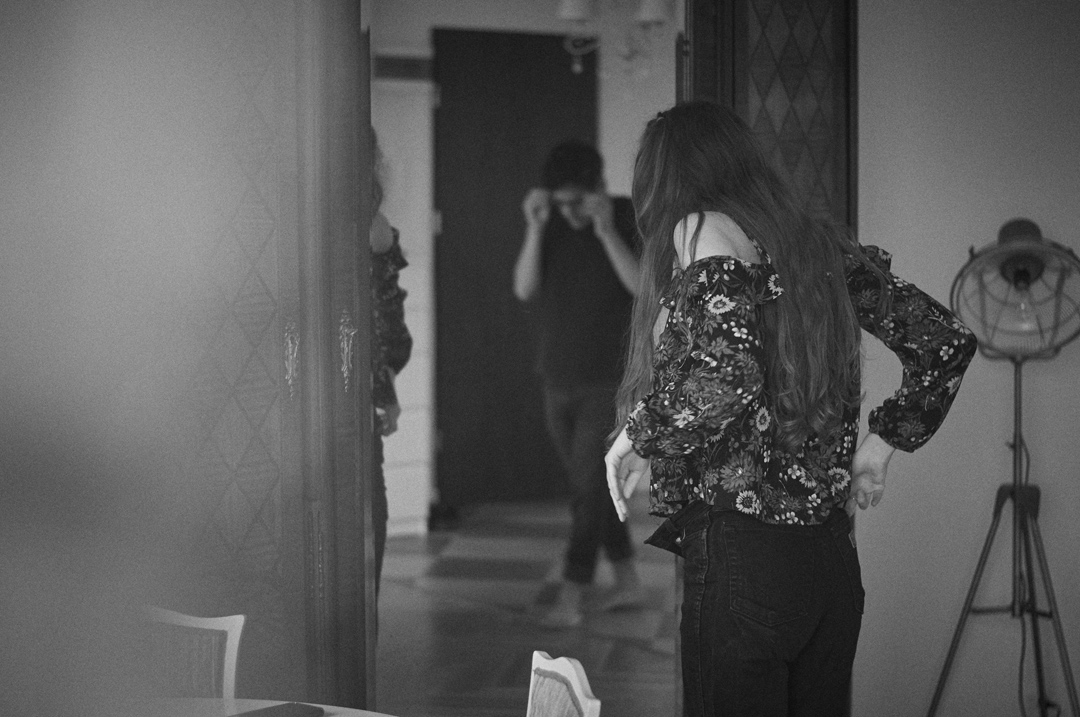
I jak było?
A.: Wspaniale! Spokojnie, z przestrzenią na naturalność i komfort, z ogromnym wyczuciem.
S.: Zgadzam się! No i zdjęcia są piękne!
And how was it?
A.: Wonderful! Calm, with space for naturalness and comfort, with great sensitivity.
S.: I agree! And the photos are beautiful!
